Eating seasonal produce is more than a trend - it’s a lifestyle that benefits your health, supports local farmers, and promotes environmental sustainability. At Back to Farms, we bring you fresh, seasonal fruits and vegetables directly from local farms, ensuring maximum nutrition, flavour, and positive environmental impact.
What Is Seasonal Eating?
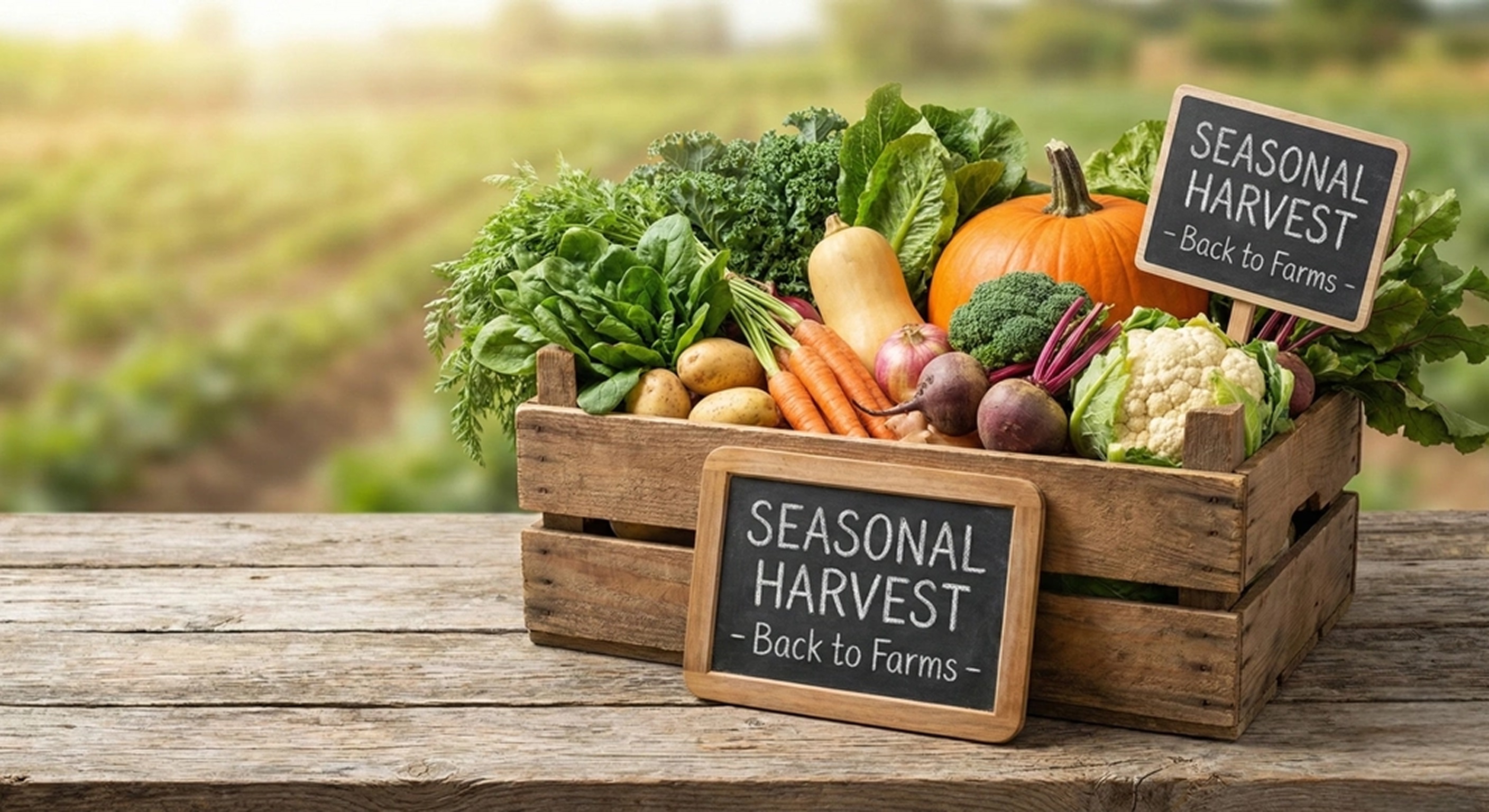
Seasonal eating refers to consuming fruits and vegetables that are naturally harvested during their peak growing season. Unlike imported or out-of-season produce, seasonal items are grown under natural conditions, which ensures they are ripe, flavourful, and nutrient-dense.
Benefits of seasonal eating include:
- Freshness: Fruits and vegetables are picked at the peak of ripeness.
- Variety: Different seasons bring unique produce, encouraging a diverse diet.
- Local Support: Reduces reliance on imported produce, promoting local farming and community growth.
At Back to Farms, we follow seasonal cycles closely to ensure your weekly box always contains the freshest, most nutritious produce.
Nutritional Advantages of Seasonal Produce
Seasonal produce is not only tastier - it is often more nutrient-rich. Since it is harvested at peak ripeness and delivered quickly, it retains higher levels of vitamins, antioxidants, and minerals.
| Season | Examples of Seasonal Produce | Key Nutrients |
| Spring | Strawberries, Spinach, Peas | Vitamin C, Folate, Iron |
| Summer | Tomatoes, Zucchini, Mango | Lycopene, Beta-carotene, Fiber |
| Fall | Pumpkins, Apples, Carrots | Vitamin A, Fiber, Potassium |
| Winter | Citrus, Kale, Carrots | Vitamin C, Iron, Antioxidants |
Eating seasonally also helps prevent nutrient monotony, ensuring your body receives a wide range of essential vitamins throughout the year.
Cost-Effectiveness
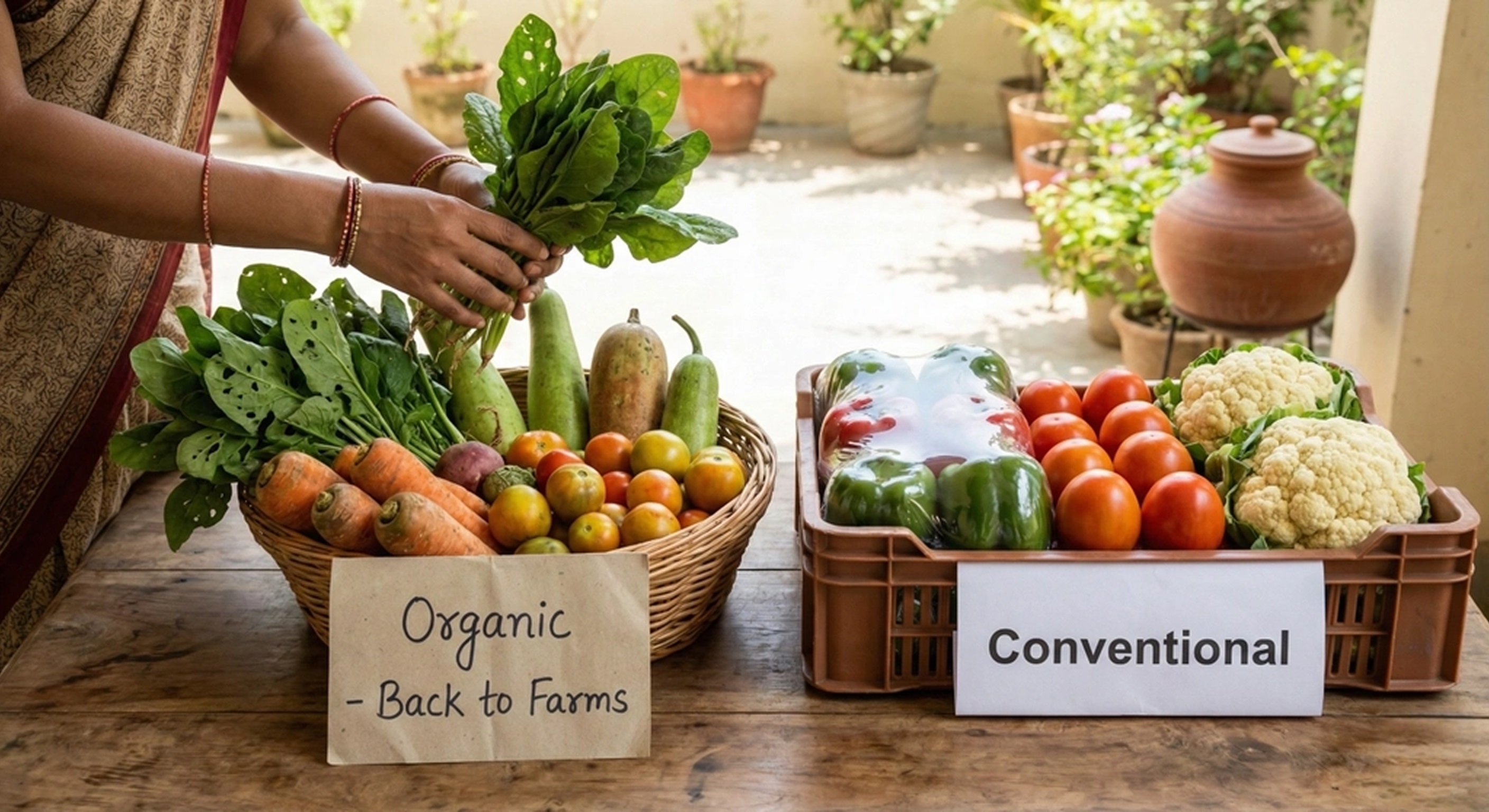
Seasonal produce is generally more affordable because it is locally available in abundance. Importing out-of-season produce adds costs for transportation, storage, and preservatives.
Benefits of eating seasonal produce include:
- Lower prices due to natural availability
- Less food waste from long-distance transport and storage
- Efficient meal planning by aligning weekly menus with local harvests
| Factor | Seasonal Produce | Imported/Out-of-Season Produce |
| Cost | Lower | Higher |
| Food Waste | Minimal | Higher due to transport/storage |
| Availability | Abundant locally | Limited or inconsistent |
Our subscription plans make seasonal eating both convenient and cost-effective.
Supporting Local Farmers
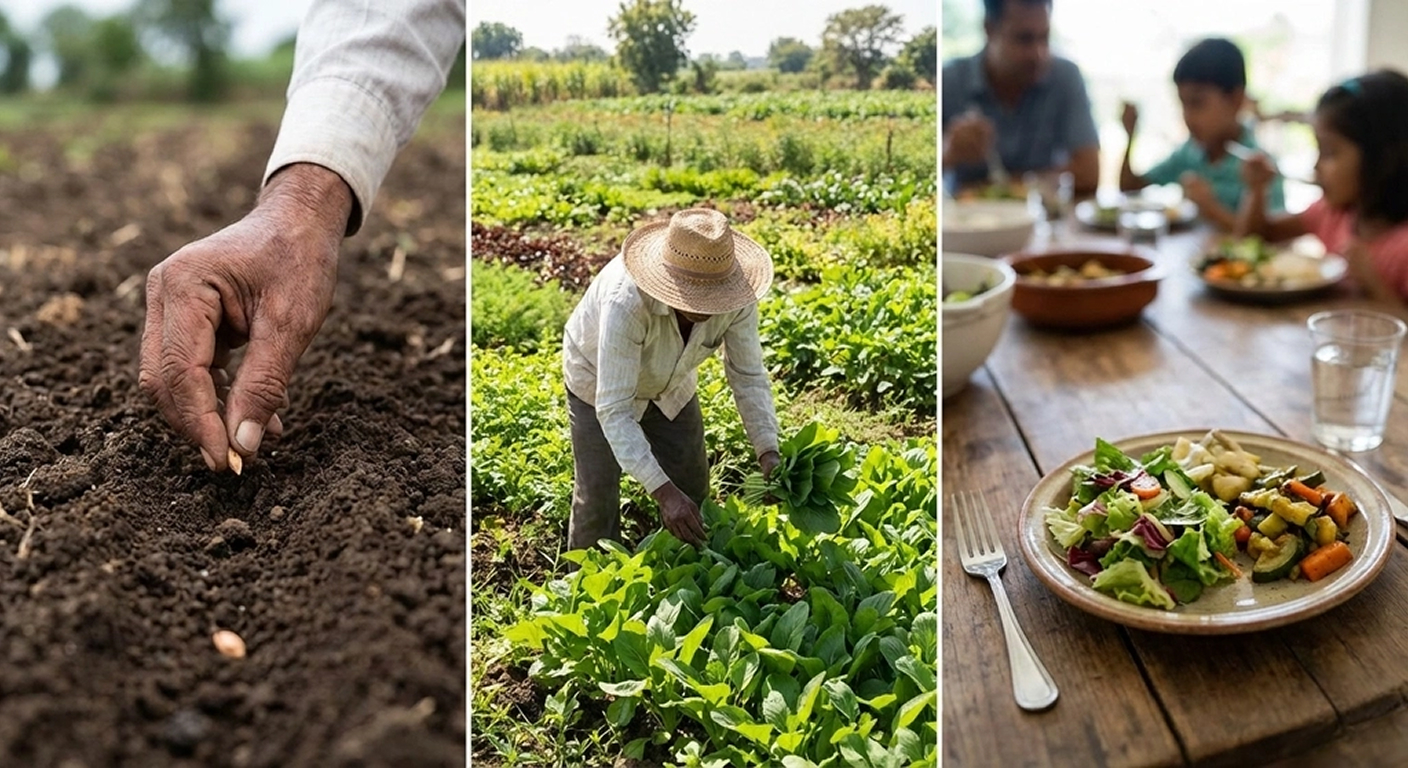
Eating seasonally is one of the simplest ways to support local agriculture. By purchasing directly from local farms, you contribute to their livelihoods and encourage sustainable farming practices.
Benefits include:
- Fair Income: Farmers receive the full value for their harvest.
- Sustainable Practices: Supports chemical-free farming, crop rotation, and soil enrichment.
- Community Growth: Strengthens local economies and promotes food security.
| Benefit | Impact |
| Fair Income | Farmers earn a stable living without middlemen |
| Local Economy | Boosts employment and community resilience |
| Sustainable Practices | Encourages eco-friendly, long-term farming |
You can also explore the Own-a-Farm program to engage more directly with local farms.
Environmental Sustainability
Seasonal eating significantly reduces the environmental footprint of your food. Out-of-season produce often requires energy-intensive storage, long transport, and artificial ripening, which increases carbon emissions.
Key environmental advantages of seasonal produce:
- Lower carbon footprint due to shorter transportation distances.
- Reduced energy consumption for storage and refrigeration.
- Preservation of soil health, water resources, and biodiversity.
| Environmental Factor | Seasonal Produce | Imported/Out-of-Season Produce |
| Carbon Footprint | Low | High |
| Energy Usage | Minimal | High (cold storage, transport) |
| Biodiversity | Encouraged | Reduced due to industrial farming |
By choosing seasonal produce, you contribute to a healthier, more sustainable planet.
Taste and Freshness
Freshly harvested, seasonal produce is naturally tastier. Since it doesn’t spend weeks in storage, it retains its natural sugars, aroma, and texture.
- Stronger flavours: Ripe fruits and vegetables have a more pronounced taste.
- Better texture: Crisp greens, juicy fruits, and firm vegetables enhance your meals.
- Natural sweetness: Seasonal fruits reach their peak sugar content naturally.
Experience this first-hand with Back to Farms’ weekly boxes, where every item is harvested and delivered fresh.
Boosting Health with Variety
Eating according to the seasons encourages a diverse diet, which has several health advantages:
- Different seasons provide unique nutrients that support immunity, digestion, and overall wellness.
- Variety helps prevent nutrient deficiencies by offering a mix of vitamins, minerals, and antioxidants.
- Encourages balanced eating habits rather than repetitive consumption of the same produce year-round.
By planning meals around seasonal produce, you naturally incorporate healthier choices into your family’s diet.
Making Seasonal Eating a Habit
Incorporating seasonal produce into your daily life can be simple with Back to Farms:
- Choose a subscription plan that fits your household needs.
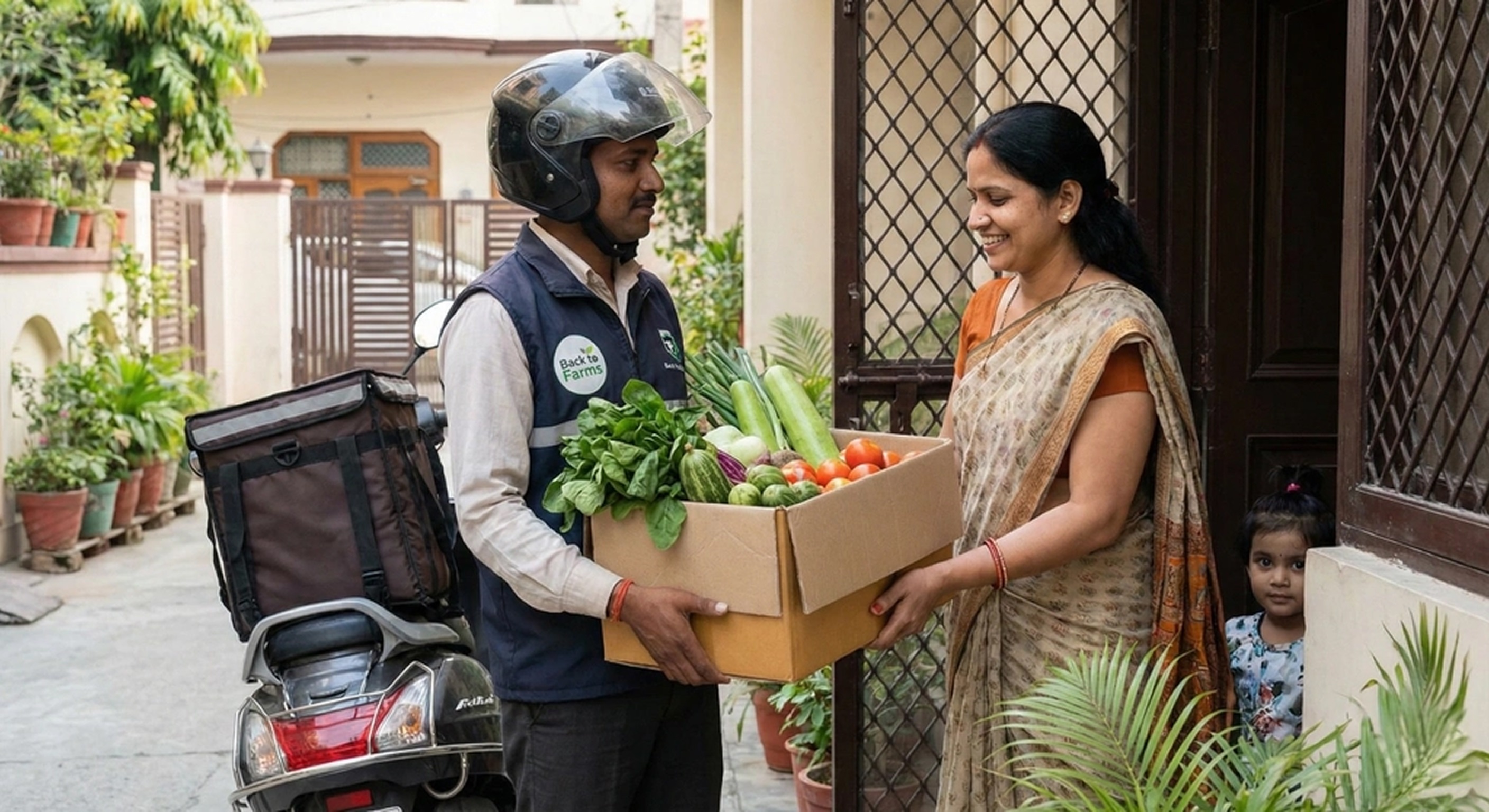
- Receive weekly deliveries of fresh, seasonal fruits and vegetables.
- Plan meals around local harvests, enjoying freshness, nutrition, and taste.
Seasonal eating not only improves health and taste but also supports local farmers and the environment.
FAQs About Seasonal Eating
Q1. What is seasonal eating?
Eating seasonal produce means consuming fruits and vegetables harvested during their natural growing season, ensuring freshness and peak nutrition.
Q2. How does seasonal produce benefit my health?
Seasonal produce is often richer in vitamins, antioxidants, and minerals since it is harvested at peak ripeness and delivered fresh.
Q3. How does eating seasonally help local farmers?
It provides stable income, encourages sustainable farming, and strengthens local agricultural communities.
Q4. Is seasonal produce more affordable?
Yes, because it is abundant locally, requires minimal storage, and reduces transportation costs.
Q5. How does seasonal eating benefit the environment?
Seasonal produce has a lower carbon footprint, requires less energy for storage and transport, and supports biodiversity.
Q6. How can I start eating seasonally with Back to Farms?
Visit Back to Farms, select a subscription plan, and receive weekly deliveries of fresh, seasonal produce.
Conclusion
Eating seasonally supports better health, cost savings, environmental sustainability, and local farming communities. With Back to Farms, you can enjoy fresh, nutritious, and affordable seasonal produce delivered directly to your doorstep.
Start eating seasonally today and experience the difference in taste, health, and sustainability!